Day Trips from Paris for Culture Lovers: Art, History and French Etiquette
Paris itself is a cultural feast — the Louvre, the Musée d’Orsay, the cafés of Saint-Germain — but some of France’s most profound art and history lie just beyond the city limits. Monet’s water lilies were painted an hour away. Van Gogh’s final masterpieces were created in a village so small you can walk it in an afternoon. The finest medieval stained glass in Europe sits in a cathedral town most tourists skip entirely. If you’re an Australian traveller planning a Paris art guide itinerary, we think the smartest move is to build in at least one day trip. Here’s how to plan the perfect escape.
Why Escape Paris for a Day?
The benefits aren’t just about ticking off another destination. Day trips give you fewer crowds, deeper immersion, and the chance to see art in situ — exactly where it was made or designed to live. Many masterpieces in the Louvre and Musée d’Orsay were never created in Paris at all; they were painted in gardens, cathedrals and rural villages that shaped the artists who made them. Standing in Monet’s garden or Chartres Cathedral changes how you see the work back in the city.
A break from the city also makes you a better traveller. Paris rewards slow looking, but it’s easy to burn out on queues and metro lines. A day in the countryside resets your pace, and you’ll return to the capital with fresh eyes and a richer understanding of French art history. Our advice: pick two day trips maximum on a week-long trip, and give each one a full day.
Giverny: Monet’s Garden and Impressionist Paradise
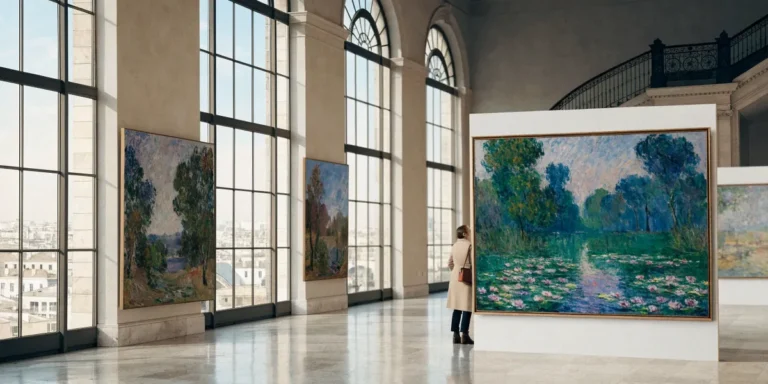
Giverny is home to Monet’s famous water lily pond, which inspired his series of paintings — the same canvases you’ll see in the Musée de l’Orangerie in Paris. Walking across the Japanese bridge and through the Clos Normand flower garden is one of the great art pilgrimages in France. Australians often combine this with a Seine river cruise in Paris, treating Giverny as the countryside counterpart to the city’s Impressionist collections.
Getting There from Paris
Take the train from Gare Saint-Lazare to Vernon, which takes about 45 minutes, then catch the shuttle bus to Giverny (it meets most trains in season). Alternatively, join a small-group tour from Paris that includes transport and entry — easier if you’d rather not coordinate connections. Book timed-entry tickets to Monet’s house online in advance; walk-up queues in summer can stretch past an hour.
What to See at Giverny
- Monet’s house, including his studio and the blue-and-yellow kitchen
- The water lily pond and Japanese bridge — the subject of his famous series
- The Clos Normand garden, planted in dense colour blocks by Monet himself
- The Musée des Impressionnismes, a short walk away, with rotating exhibitions on Impressionist and post-Impressionist art
- Monet’s grave at the village church, if you have time
Best Time to Visit for Australian Travellers
Late April to June is ideal: the wisteria and irises are out, and the summer crowds haven’t peaked. July and August are beautiful but busy — arrive at opening time. If you’re travelling from Australia on a northern-spring trip, note that Giverny closes in winter, so plan your visit between roughly April and early November.
Chartres: Gothic Grandeur and Stained Glass
Chartres Cathedral is a UNESCO World Heritage site renowned for its 12th- and 13th-century stained glass — more than 150 windows, most of them original. It’s one of the finest Gothic buildings in existence, and it’s barely an hour from Paris. For anyone serious about French art history, this is essential.
Chartres Cathedral: A Gothic Masterpiece
The famous “Chartres blue” glass needs to be seen in person to be believed. Look for the Notre-Dame de la Belle Verrière window and the rose windows, then walk the labyrinth laid into the nave floor — a medieval pilgrimage path you can follow barefoot or in socks if you like. A guided tour is worth the money here; the iconography is dense, and context transforms the experience.
Exploring the Old Town
Beyond the cathedral, Chartres has a compact, charming old town of half-timbered houses, steep lanes and the Eure river running through the lower town. The International Stained Glass Centre and the Musée des Beaux-Arts are both worthwhile, and the Saturday market is one of the best in the region.
Practical Tips for Your Visit
Trains from Paris Montparnasse take about an hour. Wear comfortable shoes — the old town is hilly and cobbled. Cathedral entry is free, but the towers and crypt require paid tours. If you’re visiting in summer, the evening light through the windows is spectacular; consider a late-afternoon arrival.
Versailles: Palace of Art and Power
Versailles is easily accessible from Paris by RER C train, taking about 40 minutes — one of the simplest day trips you can make. The Palace of Versailles was the seat of French power for over a century, and its Hall of Mirrors, royal apartments and the Grand Trianon are packed with art and history.
The Palace and Its Art Collections
The Hall of Mirrors alone justifies the trip, but don’t rush past the Royal Opera, the King’s Grand Apartments, and the overwhelming collection of portraits and ceiling paintings. The Grand Trianon and the Petit Trianon — Marie Antoinette’s private retreat — offer a quieter, more intimate counterpoint to the main palace.
The Gardens and Estate
André Le Nôtre’s gardens are as much an artwork as anything inside. Allow at least two hours to walk the Grand Canal, the Orangerie and the fountains (which run on selected days — check the schedule). The estate of Marie Antoinette, including the Queen’s Hamlet, is a full half-day on its own.
Avoiding the Crowds
Book skip-the-line tickets in advance, arrive at opening, and start with the palace before the tour buses hit the gardens. Tuesdays and weekends are busiest; midweek visits are noticeably calmer. If you’re short on time, choose either the palace or the Trianon estate — trying to do both properly in one day is exhausting.
Auvers-sur-Oise: Van Gogh’s Final Home
Auvers-sur-Oise is where Van Gogh painted ‘Wheatfield with Crows’ and spent his final months — a fact that gives the village an almost haunting quality. It’s a small, quiet place northwest of Paris, and walking its streets feels like stepping into his canvases.
Van Gogh’s Footsteps
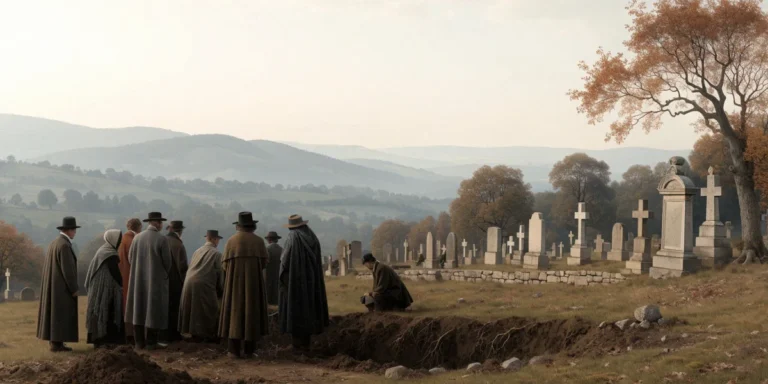
Start at the Auberge Ravoux, the inn where Van Gogh rented a tiny room and where he died in 1890. The room is preserved, and the downstairs dining room still operates as a restaurant. From there, follow the marked trail to the wheat fields, the church he painted, and the cemetery where he and his brother Theo are buried side by side.
Other Artistic Connections
Auvers also drew Cézanne, Pissarro and Daubigny before Van Gogh arrived. The Absinthe Museum is a quirky cultural stop — part art history, part social history of the drink that fascinated so many painters of the era. The Château d’Auvers offers an immersive multimedia introduction to the Impressionist period.
How to Get There
Trains run from Paris Gare du Nord to Auvers-sur-Oise via Pontoise, taking roughly an hour. The village is walkable, but the wheat fields and cemetery are a 20-minute walk uphill from the station — allow time and wear good shoes. Many visitors combine Auvers with a half-day in nearby Pontoise.
French Etiquette for Australian Travellers
Australians are often praised for their friendliness, and that warmth goes a long way in France — but a few local customs will make your trip smoother. The single most important rule: always say ‘bonjour’ before asking for help or entering a shop. Skipping it reads as rude, even if your French is limited.
Greetings and Politeness
Say ‘bonjour’ on entering any shop, café or office, and ‘au revoir’ when leaving. Use ‘vous’ with strangers and ‘tu’ only with friends. A quiet ‘s’il vous plaît’ and ‘merci’ carry more weight than you’d expect. Attempting a little French, even badly, is always appreciated.
Dining Customs
Don’t rush meals. Lunch is a proper pause, and waiters won’t bring the bill until you ask. Keep your hands on the table (not your lap), don’t ask for substitutions unless the menu invites it, and tip modestly — service is usually included, so round up or leave a few euros.
Museum and Church Etiquette
Dress smartly for cultural sites — no beachwear, and shoulders covered in churches. Keep voices low, don’t touch the art, and check photography rules (flash is usually banned). In cathedrals, avoid walking through services and never use flash during Mass.
If you’re planning your Paris art guide around these day trips, our team suggests building in rest days between them. Each destination deserves unhurried attention, and the contrast between city and countryside is part of the pleasure.
FAQ
What is the best day trip from Paris for art lovers?
Giverny is the top pick for Impressionist fans, thanks to Monet’s garden and the water lily pond that inspired his famous series. Chartres suits anyone drawn to medieval art and architecture, while Auvers-sur-Oise is essential for Van Gogh devotees.
Do I need to book Versailles tickets in advance?
Yes. Skip-the-line tickets are strongly recommended, especially between April and September. Versailles is about 40 minutes from Paris by RER C train, and walk-up queues can be very long.
Is Giverny open year-round?
No — Monet’s house and gardens typically close from November to late March. Plan your visit between roughly April and early November, and book timed-entry tickets online to avoid queues.
What’s the most important French etiquette rule for Australians?
Always say ‘bonjour’ before asking for help or entering a shop. It’s the single custom that matters most, and it sets the tone for every interaction during your trip.
Can I visit Chartres and Versailles in one day?
We wouldn’t recommend it. Both deserve a full day, and they’re in different directions from Paris. Choose one per day so you can slow down and actually absorb what you’re seeing.
These day trips offer a richer, more nuanced experience of French art and history than Paris alone can provide. Whether you’re standing in Monet’s garden, walking the labyrinth at Chartres, or tracing Van Gogh’s last steps through the wheat fields, the point is to slow down and savour each destination. Build them into your itinerary with care, respect the local customs, and you’ll come home with a far deeper understanding of the art you came to see.