French Etiquette 101: Dining, Greetings and Tipping
Picture this: we’re standing in a charming little boulangerie in the Marais, fresh off the Eurostar, and we confidently ask for a croissant without so much as a “bonjour.” The baker’s smile freezes. The temperature drops by five degrees. We’ve committed our first Parisian faux pas before we’ve even had breakfast. Sound familiar? Every Australian traveller has a version of this story. The good news is that French etiquette isn’t a secret code designed to trip up foreigners — it’s a set of simple, learnable habits that, once mastered, unlock warmer service, better conversations and a much richer trip. Here’s our guide to getting it right.
Greetings and Basic Politeness: The Golden Rules
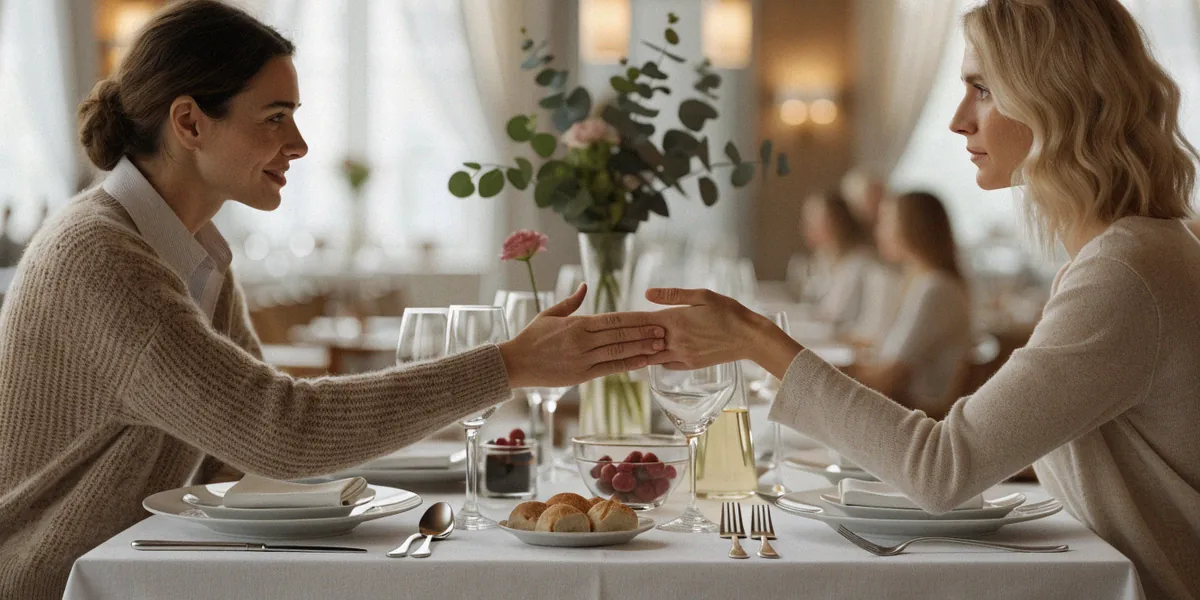
In France, politeness is not optional garnish — it’s the foundation of every interaction. Walk into a shop, a café, a museum ticket office or a pharmacy, and the first word out of your mouth should always be “Bonjour.” Saying “Bonjour” before any request is mandatory in shops and cafés; skipping it and launching straight into “Do you have this in a size 40?” is read as genuinely rude, no matter how friendly your tone. Australians, used to breezy casual greetings, need to recalibrate slightly — formality here signals respect, not distance.
The Power of ‘Bonjour’ and ‘Au Revoir’
Think of “Bonjour” as the key that unlocks the door. Use it on entering any establishment, before asking a question, and even when stepping into a lift. “Bonsoir” takes over from roughly 6pm. When you leave, always offer an “Au revoir” — even if you bought nothing. We’ve found that a cheerful “Bonjour, au revoir, merci” trio transforms the coldest Parisian shop assistant into an ally.
When to Use ‘Vous’ vs ‘Tu’
The formal “vous” is your default with strangers, shopkeepers, waiters, officials and anyone older than you. The informal “tu” is reserved for friends, family, children and peers who’ve explicitly invited you to use it (the phrase “on peut se tutoyer?” means “shall we use tu?”). When in doubt, stay with “vous” — switching too early can feel presumptuous, while sticking with “vous” is never offensive.
Handshakes, La Bise and Personal Space
A firm, brief handshake is standard in business and formal introductions. La bise — the cheek kiss — is common among friends and family, usually two to four touches depending on the region, but it’s not for strangers or business contexts. Don’t initiate a hug with someone you’ve just met. Parisians value a slightly wider personal space than Australians are used to, so hold back a step and let them close the gap if they wish.
Dining Etiquette: From Ordering to Leaving the Table
French dining comes with its own choreography, and learning the steps makes the whole experience far more enjoyable. Wait to be seated rather than grabbing a table. Keep your hands (wrists at minimum) resting on the table, never in your lap. Don’t ask for substitutions — the kitchen has designed the dish, and requesting changes is seen as an insult. And never ask to split the bill; one person pays, or the group divides the total discreetly in cash.
Ordering and Menus: What Not to Do
Menus are usually posted outside — read them before you sit down so you’re not lingering over choices while a waiter hovers. When you’re ready, catch the waiter’s eye and say “S’il vous plaît.” Don’t snap your fingers, wave wildly or call out “garçon” — that’s a caricature, not a courtesy. Ask for tap water (“une carafe d’eau”) rather than assuming it arrives automatically, and don’t request ice in your wine; it’s considered a small crime against the vineyard.
Table Manners: Hands, Bread and Wine
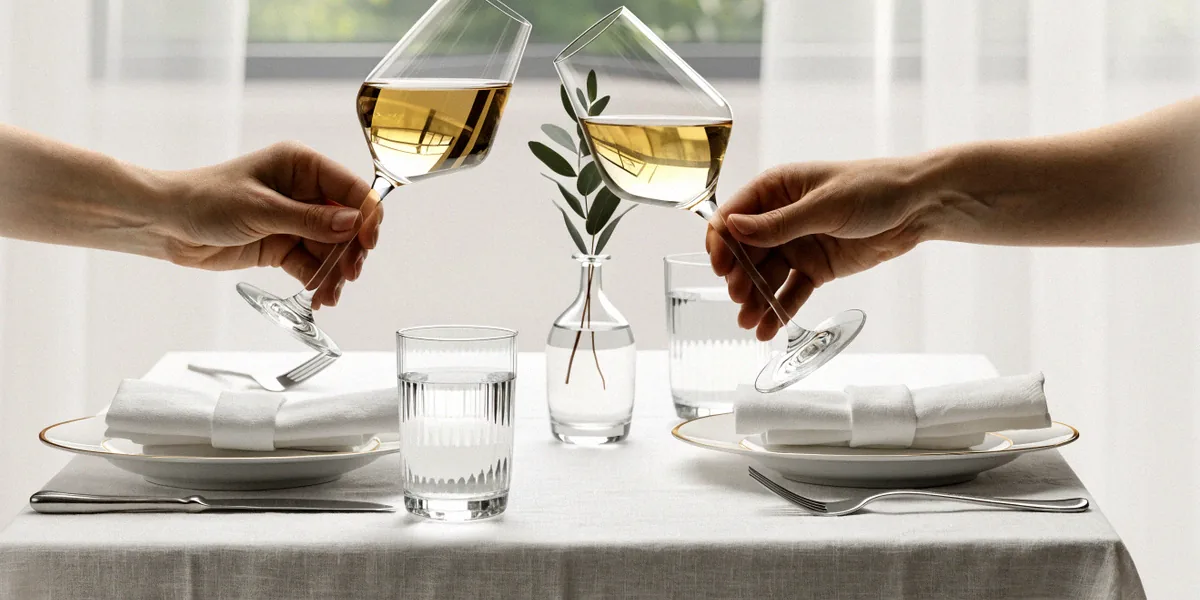
Bread is placed directly on the tablecloth, not on a side plate — that’s normal and correct. Tear it with your hands rather than slicing it with a knife. Keep your phone off the table during meals. When toasting, make eye contact and say “santé” or “tchin-tchin” — never cross arms with someone else while clinking, as it’s considered bad luck.
Paying and Tipping at Restaurants
When you’re ready to pay, ask for “l’addition.” The bill will already include service — more on that below. Splitting the bill across multiple cards is uncommon in smaller restaurants; one person pays, and friends settle up later. Leaving without saying “au revoir” to your host is a small but noticeable discourtesy.
Tipping in France: Who, When and How Much
Here’s the reassuring news for Australians: tipping in France is far less fraught than in the United States. Service compris is legally included in French restaurant bills, meaning the staff are already paid a proper wage. Anything extra is a genuine gesture of appreciation, not an obligation. Small round-ups or a few coins left on the table are always welcome, but nobody will chase you down the street if you don’t.
Restaurants and Cafés: The Service Compris Rule
Because service is included by law, you’re not expected to add 15–20% on top. For excellent service at a sit-down restaurant, 5–10% is a polite gesture — round up to the nearest €5 or leave a couple of euros per person. For a quick coffee at a café counter, no tip is expected at all. If you pay by card, you can ask the waiter to add a tip to the total, or simply leave coins in cash.
Hotels, Taxis and Tour Guides
- Hotels: €1–2 per bag for a porter, €1–2 per day for housekeeping.
- Taxis: Round up to the nearest euro or add 5% for helpful service.
- Tour guides: €5–10 per person for a half-day tour, more for a private guide.
- Cloakroom attendants: €1 per coat.
Why Australians Shouldn’t Over-Tip
Lobbing 20% onto a bill can feel like showing off, and it can also confuse staff who know their wage is already covered. Match the local norm rather than exporting the American standard. A modest, sincere tip says “thank you” without shouting it.
French Etiquette in Museums and Public Spaces
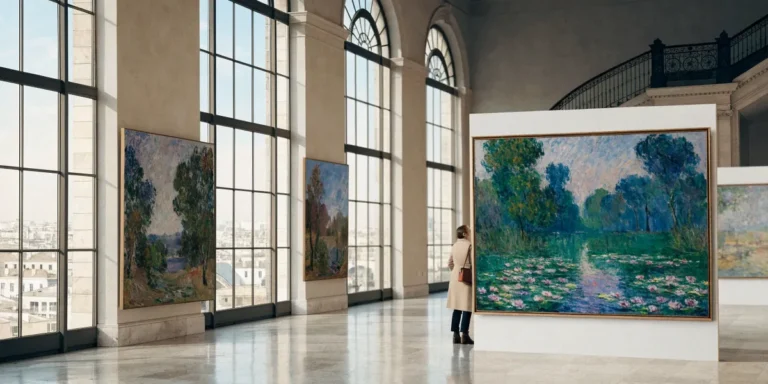
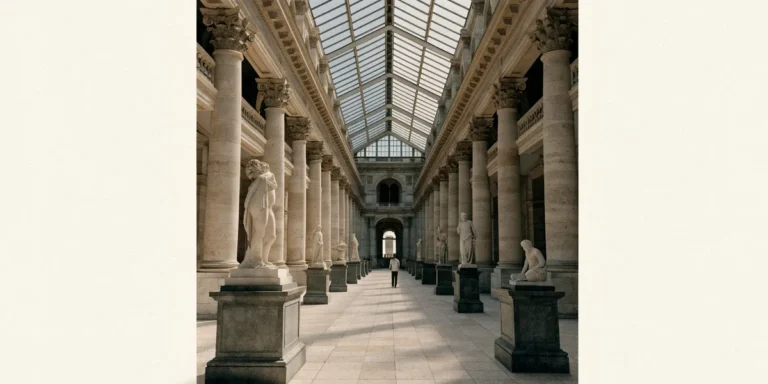
Paris’s cultural institutions are among the most visited in the world, and they run on a shared code of respect. At the Louvre and the Musée d’Orsay, both enforce strict no-flash photography rules — flashes damage pigments and irritate other visitors. Keep voices low, never touch artworks or frames, and respect ropes and barriers even when a photo would look amazing from just a little closer.
Museum Manners: Louvre and Musée d’Orsay Tips
Book timed tickets in advance, arrive at your slot, and expect a security check. Large backpacks and umbrellas must be checked in. Don’t picnic inside galleries — use designated café areas. If a room is marked as a quiet zone, honour it; school groups and guided tours are the only voices you should hear above a murmur.
Public Transport and Queuing
Queue-jumping is frowned upon everywhere, from the Métro to the boulangerie. On the Métro, let passengers off before boarding, keep your bag in front of you, and offer your seat to elderly or pregnant travellers. Validate your ticket — inspectors do fine tourists without mercy.
Dress Codes and Smart Casual
Parisians dress with quiet intention: well-fitted, understated, no loud logos. For upscale restaurants and Michelin-starred venues, smart casual is the minimum. Australians should avoid wearing thongs (flip-flops) in upscale dining venues — they’ll mark you as a tourist before you’ve said a word. Clean sneakers, leather shoes or smart sandals will serve you far better.
Common Faux Pas Australians Make (and How to Avoid Them)
We’ve all been there. Here are the most common slip-ups our readers tell us about, and the easy fixes.
Language: Try French First
Assuming everyone speaks English is the fastest way to cool a room. Open with “Bonjour, parlez-vous anglais?” — even a mangled attempt at French earns goodwill. Most Parisians in tourist-facing roles do speak English, but the courtesy of asking matters more than your accent.
Dress and Appearance
Thongs belong at the beach, not at Le Grand Véfour. Swap activewear for a collared shirt or a simple dress when dining out. Avoid baseball caps indoors, and keep beachwear for the beach.
Physical Contact and Personal Space
Don’t hug strangers on introduction — a handshake or a nod is correct. Don’t pat children on the head. And don’t assume la bise applies to you; wait for the other person to offer a cheek before leaning in.
FAQ
Do I really have to say ‘Bonjour’ every time I enter a shop?
Yes. It’s the single most important rule of French etiquette. Saying “Bonjour” before any request is mandatory in shops and cafés, and skipping it is considered rude regardless of how polite your request is.
Is tipping mandatory in French restaurants?
No. Service compris is legally included in French restaurant bills, so staff are already paid a proper wage. A small round-up or 5–10% for excellent service is appreciated, but never required.
Can I take photos at the Louvre and Musée d’Orsay?
Yes, but without flash. Both the Louvre and the Musée d’Orsay enforce strict no-flash photography rules to protect artworks. Tripods and selfie sticks are typically banned, and some special exhibitions prohibit photography entirely.
Should I use ‘tu’ or ‘vous’ with a waiter?
Always “vous” with waiters, shopkeepers and anyone you don’t know personally. “Tu” is reserved for friends, family and peers who’ve invited you to use it.
What should I wear to a nice Paris restaurant?
Smart casual is the safe standard: tailored trousers or a dress, closed shoes, and no activewear. Australians should avoid wearing thongs (flip-flops) in upscale dining venues — they read as disrespectful in that setting.
Mastering even a handful of these French etiquette basics changes the texture of a Paris trip. A well-placed “Bonjour,” a patient “vous,” a modest tip and the right shoes open doors that stay firmly shut to the oblivious tourist. We’ve watched readers go from nervous first-timers to confident café regulars in the space of a week — and the difference is always the same: small courtesies, sincerely offered. Pack them alongside your passport, and Paris will meet you halfway.