French Rococo Art Explained: From Watteau to Fragonard
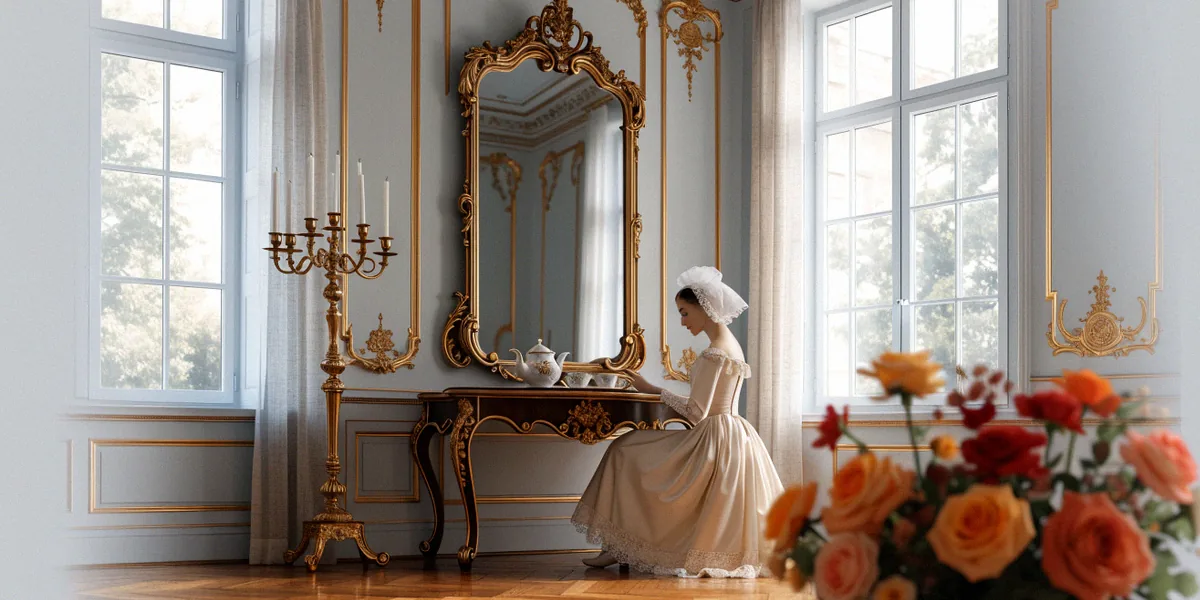
You push open a tall door in the Marais and step into a room that seems to exhale. Cream and gold scrollwork curls across the ceiling. Pastel light bounces off mirrors and porcelain. Everything is curved, gilded, slightly off-balance — and utterly charming. That’s Rococo, the 18th-century French style that turned art away from the heavy grandeur of Versailles and towards pleasure, wit and intimacy. If you’re an Australian traveller planning a Paris art guide itinerary, Rococo is the movement most people skip on the way to the Impressionists. We think that’s a mistake, and this guide explains why.
What Was French Rococo Art? A Very Brief History
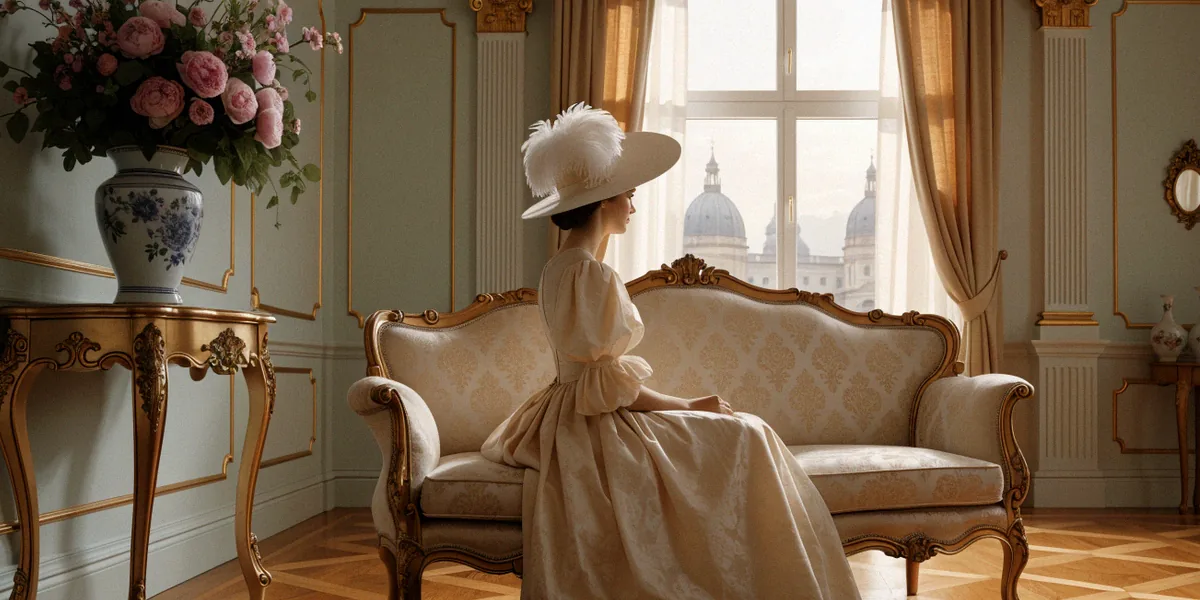
Rococo emerged in France around 1715, the year Louis XIV died. After decades of absolutist pomp, the French court and aristocracy wanted something lighter. Under Louis XV, artists and craftsmen developed a style built on asymmetry, ornament, pastel colour and playful curves — the word comes from rocaille, the shell-and-rock work used in garden grottoes. Instead of Versailles formality, patrons gathered in intimate Parisian salons, and the art followed them there. Madame de Pompadour, Louis XV’s mistress and a serious patron, became the movement’s most famous champion, commissioning painters, porcelain and interior decoration on a grand scale.
Rococo vs Baroque: What’s the Difference?
Both styles love ornament, gold and drama, so they get confused. The simplest distinction: Baroque is about power, weight and religious awe; Rococo is about pleasure, intimacy and secular wit. Baroque compositions tend to be symmetrical and monumental. Rococo compositions tilt, swirl and tease. If a painting feels like it’s whispering a joke rather than delivering a sermon, you’re probably looking at Rococo.
Why Rococo Still Divides Opinion Today
Critics in the 18th century and since have called Rococo frivolous, decadent and out of touch with ordinary life. There’s some truth in that — it was largely an elite style. But it was also technically brilliant, emotionally subtle and quietly subversive. Modern audiences, including plenty of Australian visitors we’ve spoken with, tend to arrive sceptical and leave charmed.
The Big Names: Watteau, Boucher, Chardin and Fragonard
Four painters give you the whole arc of French Rococo, and all four are well represented in Paris collections.
Antoine Watteau and the Fête Galante
Watteau (1684–1721) essentially invented a genre: the fête galante, a dreamy outdoor gathering of lovers, musicians and actors in elegant dress. His masterpiece, Pilgrimage to Cythera, shows couples departing the island of love in a soft, hazy landscape. It’s melancholy as much as flirtatious — a quality that separates Watteau from his successors.
François Boucher: Pompadour’s Painter
Boucher (1703–1770) was Madame de Pompadour’s favourite artist and the definitive Rococo insider. His mythological scenes — Venus, Diana, pastoral shepherdesses — are lush, pink and unapologetically decorative. He also designed for Sèvres porcelain and the opera, which is why his sensibility spills into so much 18th-century French design.
Jean-Honoré Fragonard and The Swing
Fragonard (1732–1806) took Rococo to its playful extreme. The Swing (c. 1767) is the movement’s most famous image: a young woman kicks off a shoe while a hidden admirer watches from the bushes. It’s funny, erotic and exquisitely painted. Australian art lovers often cite it as a favourite at the Wallace Collection in London, where it hangs today.
Don’t overlook Jean-Baptiste-Siméon Chardin (1699–1779), whose quiet still lifes and domestic scenes sit slightly apart from Rococo excess but share its era and its patrons. His work is a useful counterweight in any gallery visit.
Where to See Rococo Art in Paris: Our Museum Picks
Paris is genuinely rich in 18th-century French art, but you need a plan. Here’s how we’d structure a Rococo-focused day.
Louvre Tips for Rococo Lovers
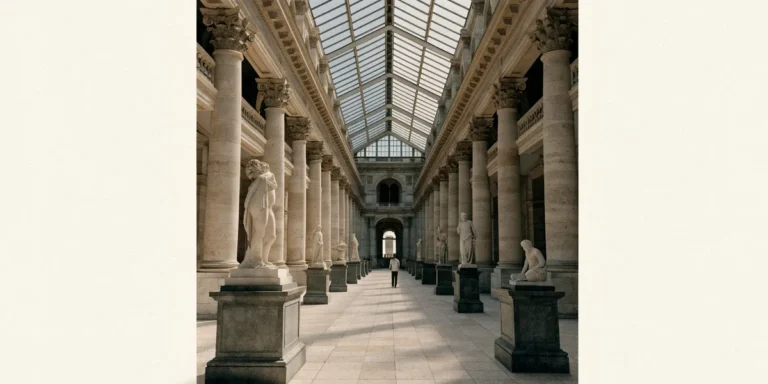
The Louvre’s Richelieu wing houses key Rococo works, including major Watteau, Boucher and Fragonard holdings, alongside French decorative arts on the first floor. Timed-entry booking is essential for Australian visitors in peak season — turn up without a slot in July or August and you’ll lose half a day in the queue. The museum closes on Tuesdays, so don’t build your itinerary around a Tuesday visit. Mornings right at opening are noticeably calmer in the French painting rooms.
Musée d’Orsay and Beyond: Smaller Rococo Collections
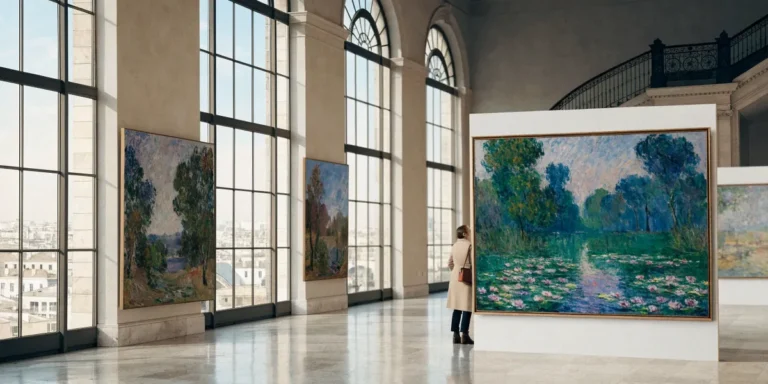
The Musée d’Orsay in Paris holds major 18th-century French art, though it is better known for Impressionism — most visitors walk straight past the earlier rooms on the ground floor. It’s worth doubling back. Beyond the big two:
- Musée Cognacq-Jay (Marais): a free, intimate collection of 18th-century French art and objects in a townhouse setting.
- Musée Nissim de Camondo: an 18th-century French decorative arts collection in a stunning private mansion near Parc Monceau.
- The Wallace Collection (London): a free, less crowded alternative for Rococo art, useful for Australians on a Europe stopover. Fragonard’s The Swing alone justifies the trip.
Rococo’s Legacy: Fashion, Interiors and French Etiquette
Rococo didn’t die in 1789. It’s hiding in plain sight all over modern Paris — and it shapes how French social life still works.
Rococo in Modern French Design
Look at the pastel palette and gold trim of a Parisian patisserie and you’re seeing Rococo DNA. The rocaille shell motif turns up on porcelain, jewellery and perfume bottles. Fashion houses from Dior to Chanel have referenced 18th-century silhouettes and ornament repeatedly. Once you notice the curves, you can’t unsee them.
Salon Culture and French Etiquette Today
French salon culture of the 1700s still influences modern French etiquette around polite conversation and host-guest manners. The salon was a hosted, conversational space where wit mattered more than rank. That legacy survives in the expectation that guests greet everyone on arrival, wait to be seated, and treat dinner as a conversation rather than a performance. Australians often notice the contrast with our more relaxed social style — the formality isn’t coldness, it’s structure.
How to Read a Rococo Painting: A Quick Visual Guide
You don’t need an art history degree to enjoy Rococo. You need five minutes and a short checklist.
Five Visual Clues to Spot Rococo
- Asymmetry: compositions that lean, spiral or feel deliberately off-centre.
- Pastel palette: pinks, mint greens, pale blues and creamy whites.
- Playful mythology: Venus, Cupid and nymphs treated as light entertainment, not religious drama.
- Hidden eroticism: a slipped shoe, a peeping figure, a knowing glance.
- Theatrical settings: gardens, stages and boudoirs that feel staged rather than natural.
Common Misreadings (and What They Really Mean)
In Fragonard’s The Swing, the flying shoe isn’t just a shoe — it’s a coded gesture of abandon, and the man in the bushes is positioned to see more than he should. In Watteau’s Pilgrimage to Cythera, the couples aren’t simply leaving; they’re moving through stages of love, from anticipation to regret. The froth is deliberate, but there’s always a layer underneath.
FAQ
Where can I see Rococo art in Paris?
The Louvre’s Richelieu wing is the essential stop, with strong Watteau, Boucher and Fragonard holdings. The Musée d’Orsay holds major 18th-century French art on its lower floors, and the Musée Cognacq-Jay in the Marais offers a smaller, free alternative.
Do I need to book Louvre tickets in advance?
Yes. Timed-entry booking is essential for Australian visitors in peak season, and the Louvre is closed on Tuesdays. Book a morning slot if you want the French painting rooms before the crowds build.
Is The Swing in Paris or London?
Fragonard’s The Swing hangs at the Wallace Collection in London, not Paris. It’s a free, less crowded option for Australians on a Europe stopover, and a good reason to add a London leg to your trip.
What’s the difference between Rococo and Baroque?
Baroque is monumental, symmetrical and often religious, associated with power and the church. Rococo is lighter, asymmetrical and secular, focused on pleasure, intimacy and wit. Both use ornament and gold, but they feel completely different in a room.
Does Rococo still influence French culture today?
Absolutely. Pastel patisserie interiors, the rocaille shell motif and French salon-style etiquette around polite conversation and host-guest manners all trace back to the 1700s. Australians often notice the formality as a contrast to our more relaxed social habits.
Rococo isn’t frivolous — it’s a sophisticated reaction to a rigid, exhausting era, and it rewards a bit of context. Next time you’re in Paris, give the Richelieu wing and the Musée d’Orsay’s 18th-century rooms a proper hour, and if you’re passing through London, spend a free afternoon at the Wallace Collection. Seen with fresh, informed eyes, Watteau, Boucher and Fragonard stop looking like decoration and start looking like conversation.