Is the Paris Museum Pass Worth It? A Guide for Australian Travellers
You’re sitting at your kitchen table in Sydney or Melbourne, a flat white going cold beside you, and you’ve got the Paris Museum Pass website open in another tab. Flights are booked. The Airbnb in the Marais is confirmed. Now you’re staring at three numbers — 2 days, 4 days, 6 days — and wondering whether this thing is a genuine money-saver or just another tourist trap designed to part you from your euros. We’ve been there. So let’s walk through it properly, with real prices, real maths, and the practical details that matter when you’re travelling from Australia and every day in Paris counts.
What Exactly Is the Paris Museum Pass?
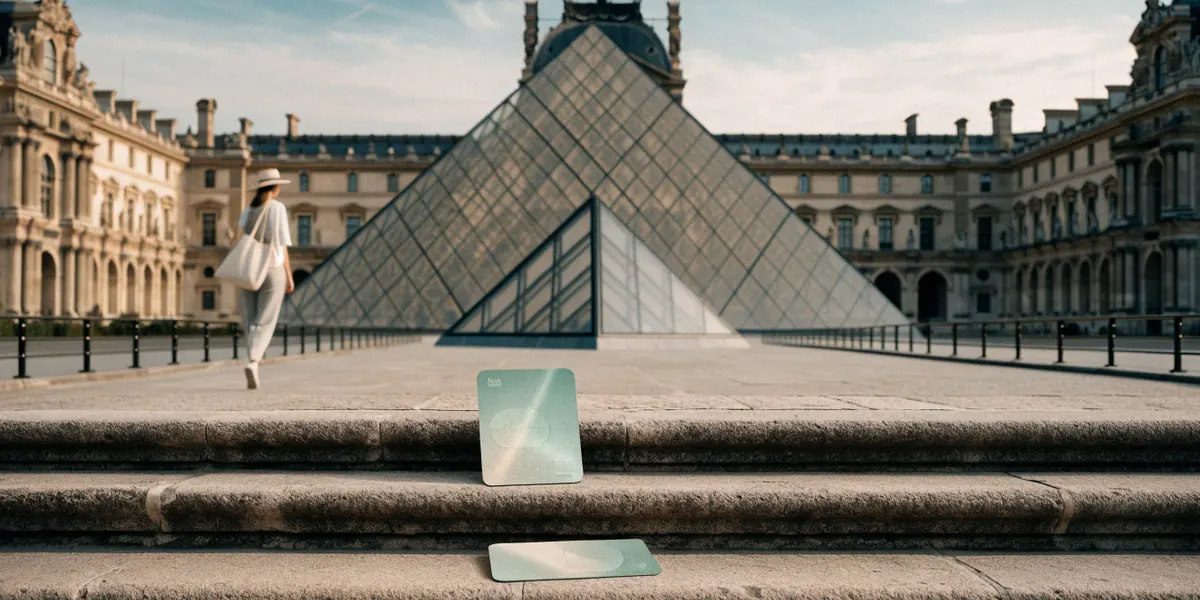
The Paris Museum Pass is an official city pass that gives you entry to more than 50 museums and monuments across Paris and the surrounding region. You buy it for a set number of consecutive days, and once it’s activated, you can walk into participating sites as often as you like within that window. The big drawcards — the Louvre, the Musée d’Orsay, and the Centre Pompidou — are all included, which is why most Australians at least consider it before booking individual tickets.
Pass durations and current prices
The pass comes in three versions, and prices are set by the official operator (they do creep up over time, so always check the official site before you buy):
- 2-day pass: around €55–€60 per adult
- 4-day pass: around €75–€85 per adult
- 6-day pass: around €95–€105 per adult
Days are consecutive, not cumulative. So a 4-day pass activated on a Monday expires at the end of Thursday — you can’t skip Wednesday and use it Friday. That single rule catches a lot of first-timers out.
What’s included (and what’s not)
Included: the Louvre, Musée d’Orsay, Centre Pompidou, Musée de l’Orangerie, Sainte-Chapelle, the Rodin Museum, the Cluny Museum (Musée de Cluny), the Panthéon, the Arc de Triomphe, and the Palace of Versailles (the main château and Trianon, though not every temporary exhibition). That’s a genuinely strong list for art and history lovers.
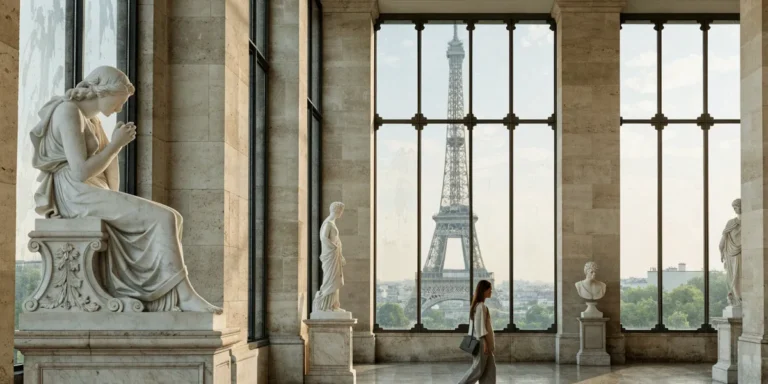
Not included: the Eiffel Tower’s summit. This trips up almost every Australian we talk to. The pass does not cover the Eiffel Tower, so you’ll need to budget separately for that iconic experience — expect €29 or more per adult for summit access. Also excluded are most temporary blockbuster exhibitions, some evening events, and the Catacombs.
How to use it: activation and skip-the-line realities
You write the start date on the pass (or it activates digitally), and from that moment the clock runs. The key thing to understand is what “skip the line” actually means. The pass lets you bypass the ticket queue — the long line of people buying tickets on the day. It does not let you skip the security queue, which at the Louvre can still be 20–40 minutes in peak season. At the Musée d’Orsay, there’s a dedicated pass-holder entrance, which genuinely saves time. At the Louvre, the pyramid entrance is the busiest; buying your pass online in advance can save time at that entrance, and the Porte des Lions or Carrousel entrances are usually quicker.
The Big Question: Does It Save You Money?
This is where we get practical. The pass only makes sense if you’re the kind of traveller who wants to see a lot in a short time. Let’s do the maths.
Cost breakdown: pass vs. individual tickets
Here’s what you’d pay buying tickets individually at the headline sites:
- Louvre: €22
- Musée d’Orsay: €16
- Centre Pompidou: €15
- Musée de l’Orangerie: €12.50
- Sainte-Chapelle: €13
- Versailles (château): €21
Add the Louvre (€22) plus the Musée d’Orsay (€16) plus the Centre Pompidou (€15) and you’re already at €53 for a single day — which is roughly the cost of a 2-day pass on its own. The Louvre’s individual ticket costs €22, so visiting it plus two other museums daily often justifies the pass. That’s the core calculation in one sentence.
Break-even point: how many museums per day?
Our rule of thumb for Australian visitors: if you plan to visit three or more museums or monuments per day, the pass pays off. Two per day is borderline — you might break even, you might not. One per day and you’re losing money, especially if you linger.
Consider a typical 4-day itinerary:
- Day 1: Louvre (€22) + Orangerie (€12.50) + Sainte-Chapelle (€13) = €47.50
- Day 2: Musée d’Orsay (€16) + Rodin (€13) + Cluny (€12) = €41
- Day 3: Versailles (€21) + Panthéon (€11.50) = €32.50
- Day 4: Centre Pompidou (€15) + Arc de Triomphe (€13) = €28
Total individual: about €149. A 4-day pass at roughly €80 saves you around €69 per person — real money, especially when you’re converting back to Australian dollars.
When it’s not worth it (slow travellers, off-season)
If you’re the type who wants one museum in the morning, a long lunch, and a wander through the Marais in the afternoon, the pass will punish you. Same goes for off-season trips in November or February, when you might only manage one or two sites a day because you’re lingering longer without the crowds. And if you’re travelling with young kids who’ll burn out after 90 minutes, skip it.
Top Museums and Monuments Covered
The pass covers over 50 sites, including the Musée d’Orsay and Centre Pompidou, but a handful are the ones Australians actually plan their trip around. Here’s how to handle each.
The Louvre: skip-the-line perks and must-see art
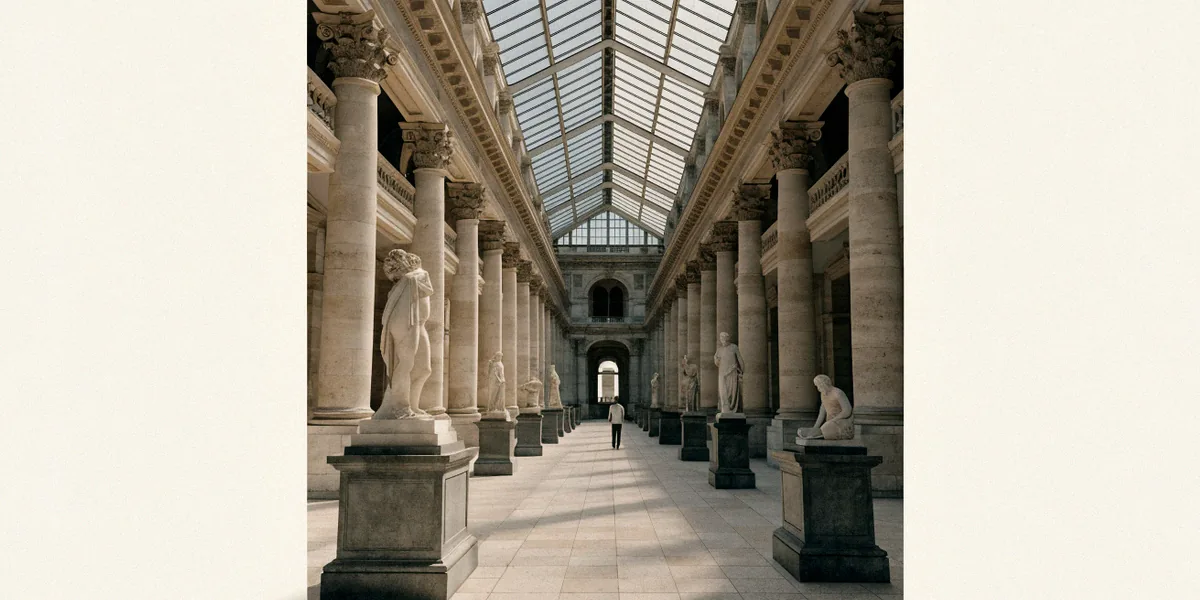
The Louvre is the single biggest reason people buy the pass. With it, you walk past the ticket queue and head straight to security. Go on a Wednesday or Friday evening (late opening until 9pm) to dodge the worst crowds. Must-sees: the Mona Lisa (obviously), Winged Victory of Samothrace, Venus de Milo, and the French Crown Jewels in the Galerie d’Apollon.
Musée d’Orsay: impressionist masterpieces
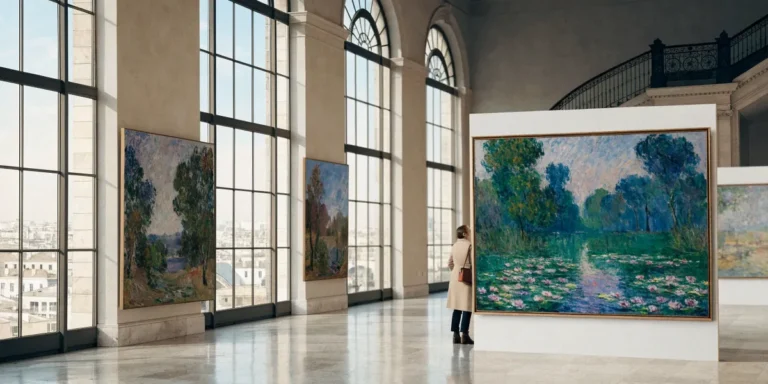
Housed in a converted Beaux-Arts railway station, the Orsay holds the world’s best collection of Impressionist and Post-Impressionist art — Monet, Renoir, Van Gogh, Degas, Cézanne. The pass-holder entrance is on the left side of the main facade. Allow three hours minimum.
Other gems: Rodin Museum, Cluny, and Versailles
The Rodin Museum has a gorgeous garden where you can see The Thinker outdoors. The Cluny Museum (Musée de Cluny) is a medieval gem with the Lady and the Unicorn tapestries. Versailles is a half-day trip minimum — take the RER C from central Paris and arrive right at opening.
Practical Tips for Australian Travellers
A few things we’ve learned the hard way that’ll make your pass experience smoother.
Where to buy: online, at airports, or tourist offices
You can buy the pass online before you leave Australia, at CDG or Orly airports on arrival, or at the Paris Tourist Office. Buying online in advance is our recommendation — it saves time and means you’re not faffing about on day one.
Combining with transport and other passes
The Paris Museum Pass doesn’t include public transport. If you’re doing a lot of moving around, pair it with a Navigo Easy card or the Paris Visite travel card. The Navigo Easy is usually better value for most visitors.
French etiquette: what Australians should know
This matters more than you’d think. Australians should greet staff with ‘Bonjour’ before speaking English, as French etiquette expects it. Walk into a boulangerie, a museum ticket desk, or a shop and launch straight into English, and you’ll get a frosty response. Say “Bonjour” first, then ask your question. It changes everything. Also: a quiet “Merci, au revoir” on the way out goes a long way.
Our Verdict: Who Should Buy It?
Here’s our honest take.
Ideal buyer profile
Buy the pass if you’re a first-time visitor to Paris, you’re staying four days or more, and you’re genuinely planning to hit three or more museums or monuments per day. You’re organised, you’re comfortable with a packed schedule, and you want to see the big names without queueing for tickets each morning.
When to skip it
Skip it if you prefer slow travel, if you’re visiting in peak summer when crowds slow you down, if you’re travelling with young children, or if you only care about one or two museums. In those cases, individual tickets are cheaper and less stressful.
Alternatives: Paris Museum Pass vs. individual tickets
The alternative is simple: buy individual tickets online for the museums you actually want to see. You’ll pay more per site but only for what you use. For a two-museum-per-day traveller, this is often the smarter financial move.
FAQ
Is the Paris Museum Pass worth it for a 3-day trip?
Usually no. A 3-day trip rarely gives you enough time to hit three museums per day consistently, and the 2-day pass won’t cover your whole stay. Individual tickets are typically better value for short trips.
Does the Paris Museum Pass include the Eiffel Tower?
No. The Eiffel Tower’s summit is not included, so budget separately for that experience — expect €29 or more per adult.
Can I skip the security line with the Paris Museum Pass?
No. The pass skips the ticket queue, not security. At the Louvre, security can still take 20–40 minutes in peak season.
Where can Australians buy the Paris Museum Pass?
Online before you leave, at CDG or Orly airports on arrival, or at the Paris Tourist Office. Buying online in advance saves time at busy entrances like the Louvre’s pyramid.
Do I need to say ‘Bonjour’ before speaking English in Paris?
Yes. French etiquette expects a greeting first. Say “Bonjour” before asking anything in English — it’s the single easiest way to get a warmer response.
The Paris Museum Pass is a tool, not a trophy. Choose it based on your pace, not FOMO — and remember that some of the best Paris moments happen between museums, over a café crème or a stroll along the Seine. If the pass fits your style, it’ll save you money and time. If it doesn’t, skip it without guilt and enjoy Paris your way.